Barry Farm
Barry Farm, DC: A Historic Community Reborn
Once a pioneering Freedmen's Bureau settlement, Barry Farm in Southeast Washington, D.C., is undergoing a monumental transformation. As part of the District's ambitious New Communities Initiative, this historic neighborhood is being reimagined as a vibrant, mixed-income, mixed-use community, promising a new chapter for its residents and a revitalized urban landscape. If you're looking to be part of a community with a deep historical legacy, modern housing, and a forward-looking vision, the new Barry Farm is an exceptionally appealing place to call home.
From Historic Roots to Modern Vision
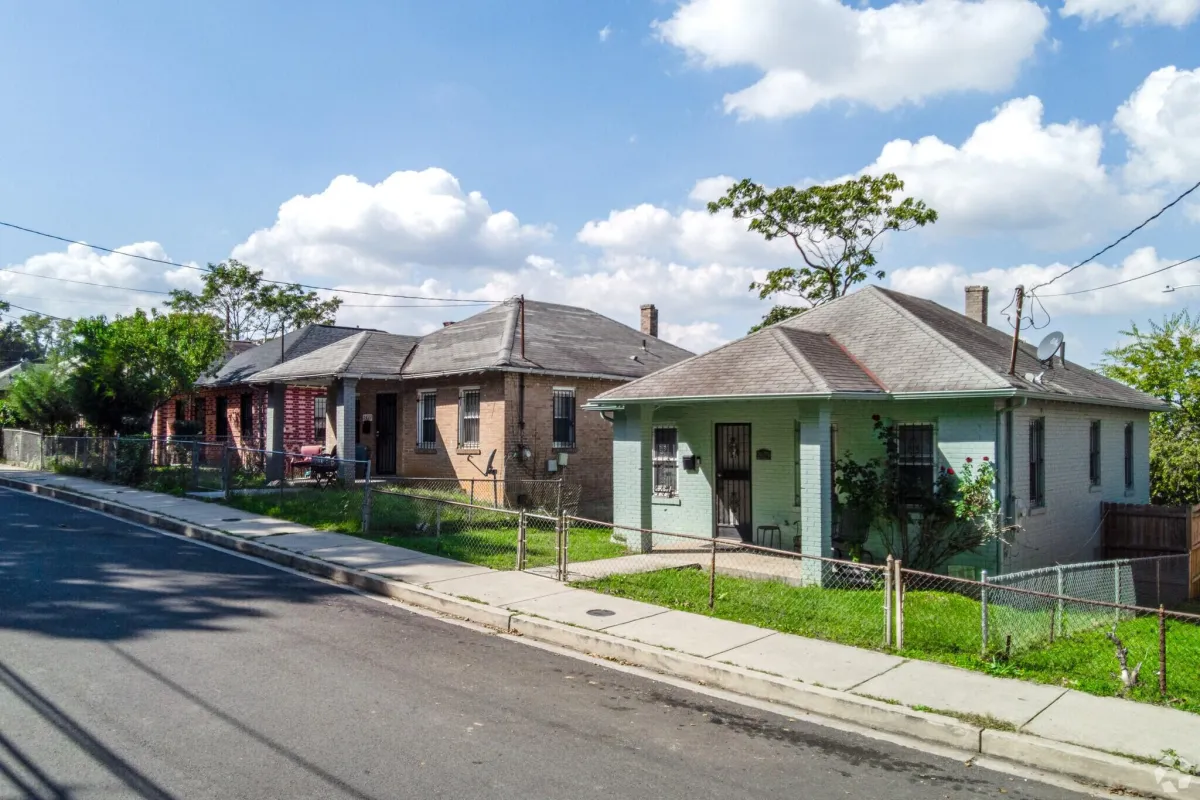
Barry Farm holds a unique place in D.C.'s history, established in 1867 as one of the first planned communities for formerly enslaved African Americans. Over the decades, it evolved into the Barry Farm Dwellings, a public housing complex that served generations of D.C. families. While the original dwellings have largely been demolished to make way for new development, a small, historically landmarked section has been preserved, a testament to the community's unwavering fight to honor its past.
Today, the redevelopment of Barry Farm is a flagship project of the New Communities Initiative, which aims to replace distressed subsidized housing with vibrant, mixed-income neighborhoods. The vision for Barry Farm is comprehensive, addressing not only physical infrastructure but also providing human services and economic opportunities for residents, ensuring they can thrive in their revitalized community.
Modern Homes and Thoughtful Design
The new Barry Farm is designed to offer a diverse range of housing options, creating a truly mixed-income community:
Affordable Rental Apartments: Brand-new, energy-efficient buildings like The Asberry, a 100% affordable, 55+ senior preference residential property, are opening their doors. The Edmonson, currently under construction, will further expand the affordable housing stock. These buildings often feature amenities like sundecks, courtyards, fitness centers, and community rooms.
For-Sale Housing: Plans include new townhomes and other for-sale units, promoting homeownership within the community.
Replacement Units: A core promise of the redevelopment is the one-for-one replacement of former public housing units, with hundreds of new affordable replacement units being built on-site, ensuring former residents have a path to return to their revitalized neighborhood.
Beyond housing, the redevelopment emphasizes thoughtful design and sustainability:
Green Building Standards: New construction, like The Edmonson, is designed to meet high standards such as Passive House certification, focusing on energy efficiency and reduced environmental impact, sometimes utilizing innovative geothermal systems.
Neighborhood-Serving Retail: Ground-floor retail spaces are being integrated into new buildings, bringing essential services and local businesses directly to residents.
Community Spaces: The plan includes a large central park, new community facilities, and a modernized recreation center (currently under construction) with an indoor swimming pool, gymnasium, and basketball courts.
Cultural Preservation: The historic legacy of Barry Farm will be reflected in a new cultural center, sidewalk pavings, murals, and links to the existing Anacostia & Hillsdale African American Heritage Trail, ensuring the community's rich story continues to be told.
Real Estate in the New Barry Farm: An Investment in Community
As a redevelopment project focused on affordability and mixed-income living, real estate in the new Barry Farm presents unique opportunities.
Affordable Housing Focus: The project prioritizes providing a significant number of affordable rental and for-sale units, including dedicated replacement units for former residents. This makes it an important hub for accessible housing in D.C.
Phased Development: The redevelopment is occurring in phases, with buildings like The Asberry already open and The Edmonson under construction, indicating ongoing opportunities for residents to move in as new units become available. The entire redevelopment is projected to be completed by 2030.
Long-Term Vision: With a plan to create at least 900 new residential units (including 380 public housing replacement units and 100 homeownership units) and 40,000 square feet of retail, Barry Farm represents a significant long-term investment in the community's future.
Amenities and Connectivity: A Connected and Culturally Rich Future
The new Barry Farm is designed to offer residents a well-rounded and connected lifestyle.
Recreation and Wellness: Beyond the new recreation center, the proximity to the historic Goodman League (a nationally recognized basketball league) and future community parks will provide ample recreational opportunities.
Cultural Hub: The planned cultural center will be a vital resource for celebrating Barry Farm's legacy and fostering artistic expression.
Local Conveniences: The integration of new retail spaces aims to bring convenient shopping and services within walking distance for residents.
Excellent Transportation: Barry Farm benefits from its proximity to major transportation arteries. The Anacostia Metro Station (Green Line) is less than half a mile away, providing quick and easy access to downtown D.C., Nationals Park, and other key city destinations. Major roads like Suitland Parkway and Martin Luther King Jr. Avenue SE also ensure convenient access for drivers throughout D.C. and to Prince George's County, Maryland.
The redeveloped Barry Farm is more than just new buildings; it's a testament to a community's resilience, a commitment to equitable development, and a vision for a vibrant, mixed-income neighborhood that honors its past while building a bright future for generations to come.
HOA: Yes/No (As a large-scale redevelopment project with a mix of rental and for-sale units, and various phases, the presence of an HOA will depend on the specific building or homeownership type. New condominium and townhome developments will have HOAs or condominium fees.)
55+ Community: Yes/No (The Asberry is specifically a 55+ senior preference residential property. However, the overall redevelopment aims for a mixed-age community, with a variety of units for different demographics.)
