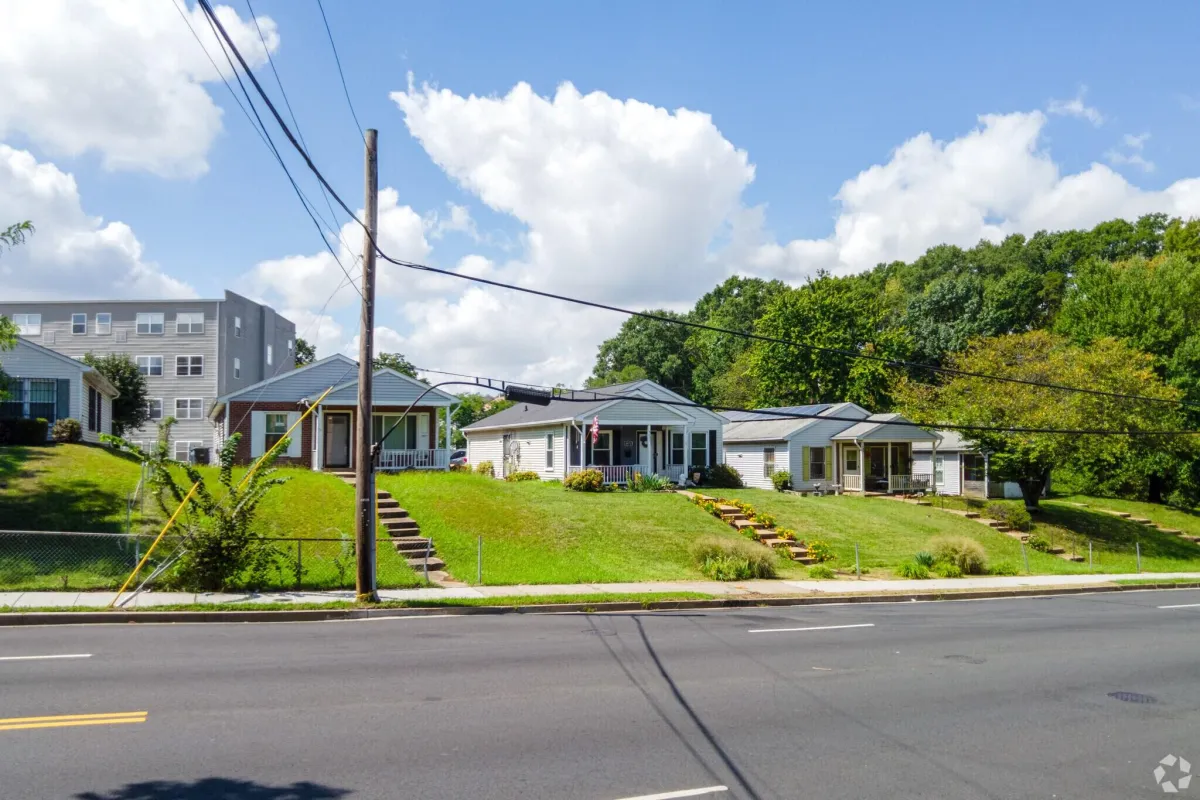
Civic Betterment
Welcome to Civic Betterment, DC: A Community Cultivating a Bright Future
Tucked away in Southeast Washington, D.C., just along the Maryland border, Civic Betterment is a small, historically rich enclave that truly embodies its name. This residential community, part of the broader Marshall Heights area, boasts a legacy of self-sufficiency and an active spirit of improvement. If you're seeking an affordable D.C. address where neighbors are invested in their surroundings and green spaces abound, Civic Betterment is an exceptionally appealing place to call home.
A Storied Past, A Vision for Growth
Civic Betterment's roots run deep as one of D.C.'s original historically Black communities. It began as a more rural hamlet, with significant urban development spurred by First Lady Eleanor Roosevelt's visit in 1935, leading to the installation of crucial infrastructure like sewer lines and city water. Following World War II, it became a popular landing spot for African American veterans and those seeking refuge from the Jim Crow South, contributing to its enduring character of resilience and community.
This history has fostered a strong sense of ownership among residents. While the neighborhood has navigated challenges, including past redevelopment clashes, the desire to foster economic development, ensure affordable housing, and improve community institutions remains strong. The ongoing efforts to redevelop the Fletcher Johnson Recreation Center into a mixed-use space, even with its historical significance as Payne's Cemetery (an 1850s burial ground for African Americans), highlight the community's forward-thinking vision for comprehensive betterment.
Enduring Homes and Vibrant Recreation Hubs
The architectural character of Civic Betterment largely features original brick rowhouses and duplexes from the 1940s, offering a classic D.C. aesthetic and a sense of established charm. These homes often represent an accessible entry point into the D.C. housing market.
Civic Betterment shines with its exceptional recreational opportunities:
Woody Ward Recreation Center: This neighborhood gem underwent an $11 million renovation in 2021, transforming it into a state-of-the-art facility. It boasts a boxing ring, a modern fitness center, an upgraded dance room, a multi-purpose space, and an arts and creativity room. Outdoors, residents enjoy a dragon-themed playground, a pool with swimming lessons, a baseball diamond, and basketball and tennis courts. A paved trail encircles the center, perfect for walks or bike rides.
Fletcher Johnson Recreation Center: Once a middle school, this center now offers basketball and tennis courts and a turf field, popular for local sports teams. Plans are underway for its significant redevelopment to bring even more amenities and housing options to the area.
Fort Dupont Park: Just a few blocks west, this expansive National Park offers over 10 miles of walking trails and features the Fort Dupont Community Gardens, where residents aged 18 and older can reserve plots to cultivate their own produce.
Real Estate in Civic Betterment: Accessible Value and Renovation Potential
Real estate in Civic Betterment offers a competitive market, particularly for those seeking affordable homeownership in D.C.
Value-Oriented Options: The neighborhood's housing market is generally below the District's average, making it an attractive choice for first-time buyers and those looking for more space for their investment. The average home value was around $334,812 as of April 2025.
Diverse Inventory: While dominated by 1940s brick rowhouses and duplexes, the market also sees new buyers and home renovations, indicating ongoing interest and a dynamic environment. Rental units are also available, with average rents around $2,024 as of April 2025.
Investment Potential: The continuous growth, evidenced by new buyers and renovations, along with the community's efforts to expand and improve institutions, suggests a promising outlook for property values in the long term.
Amenities and Connectivity: Local Life and City Links
Civic Betterment offers residents a comfortable, largely residential environment with convenient access to essential amenities and public transportation.
Community Hubs: The newly renovated Woody Ward Recreation Center serves as a vibrant hub for all ages, offering a wide array of programs and activities. The community's strong civic associations, like the Marshall Heights Civic Association, actively work for the betterment of the neighborhood.
Local Conveniences: While predominantly residential, the neighborhood benefits from nearby shopping and entertainment options. Residents have access to local markets and eateries within the broader Marshall Heights area, with delivery options for various cuisines.
Accessible Transportation: Civic Betterment boasts "Good Transit" options. Although it doesn't have its own Metro station, it is conveniently located near major bus routes that connect residents to the Benning Road Metro Station (Blue and Silver Lines) and other parts of D.C. Its "Somewhat Walkable" score means some errands can be accomplished on foot, and its proximity to Southern Avenue SE and Benning Road SE facilitates easy commutes for those who drive.
Civic Betterment, Washington, D.C., offers a truly compelling opportunity to experience a unique blend of historical resilience, strong community engagement, and abundant green spaces. It's a place where a proud heritage, accessible homeownership, and active resident involvement create an exceptionally desirable and engaging environment to call home.
HOA: No (The vast majority of single-family homes and traditional rowhouses/duplexes in Civic Betterment do not have a neighborhood-wide HOA. However, any apartment complexes or newer condominium developments in the broader Marshall Heights area may have their own homeowners' associations or condominium fees that cover building maintenance and shared amenities.)
55+ Community: No (Civic Betterment is a diverse, multi-generational community that appeals to a wide range of residents, but it is not specifically an age-restricted 55+ community.)
