Edgewood
Welcome to Edgewood, DC: An Artistic Urban Oasis
Nestled in the vibrant Northeast quadrant of Washington, D.C., Edgewood is a dynamic neighborhood that beautifully balances its rich history with a thriving contemporary arts and culture scene. Known for its charming early 20th-century rowhouses, a palpable sense of artistic energy, and strong community ties, Edgewood offers a unique D.C. experience. If you're seeking a central, walkable urban environment with a deep connection to local creativity and a diverse, active population, Edgewood is an exceptionally desirable place to call home.
A History Shaped by Estates and Institutions
Edgewood's origins trace back to the expansive estate of Salmon P. Chase, Abraham Lincoln's Secretary of the Treasury and later Chief Justice of the United States. His "Edgewood" estate, completed in 1865, gave the neighborhood its name. Following his death, parts of the estate were sold off, and by the turn of the 20th century, institutions like Trinity Washington University (established 1897) and other Catholic organizations began to take root. This concentration of Catholic institutions led to the area, including neighboring Brookland, being affectionately known as "Little Rome."
The neighborhood has since evolved, maintaining its strong community character while embracing new influences. Today, remnants of its historical fabric blend seamlessly with modern developments, reflecting Edgewood's continuous growth and adaptation.
Architectural Charm and Artistic Expression
Edgewood's visual appeal is dominated by its classic two- and three-story brick rowhouses, many dating from the early 20th century. You'll find Federal-style and Colonial homes, often featuring charming front porches and staircases leading up to them, creating a distinct D.C. aesthetic. Many of these older constructions have been recently renovated, blending historic character with modern comforts. The neighborhood also features some newer condominium and apartment buildings, particularly around its edges and along major corridors.
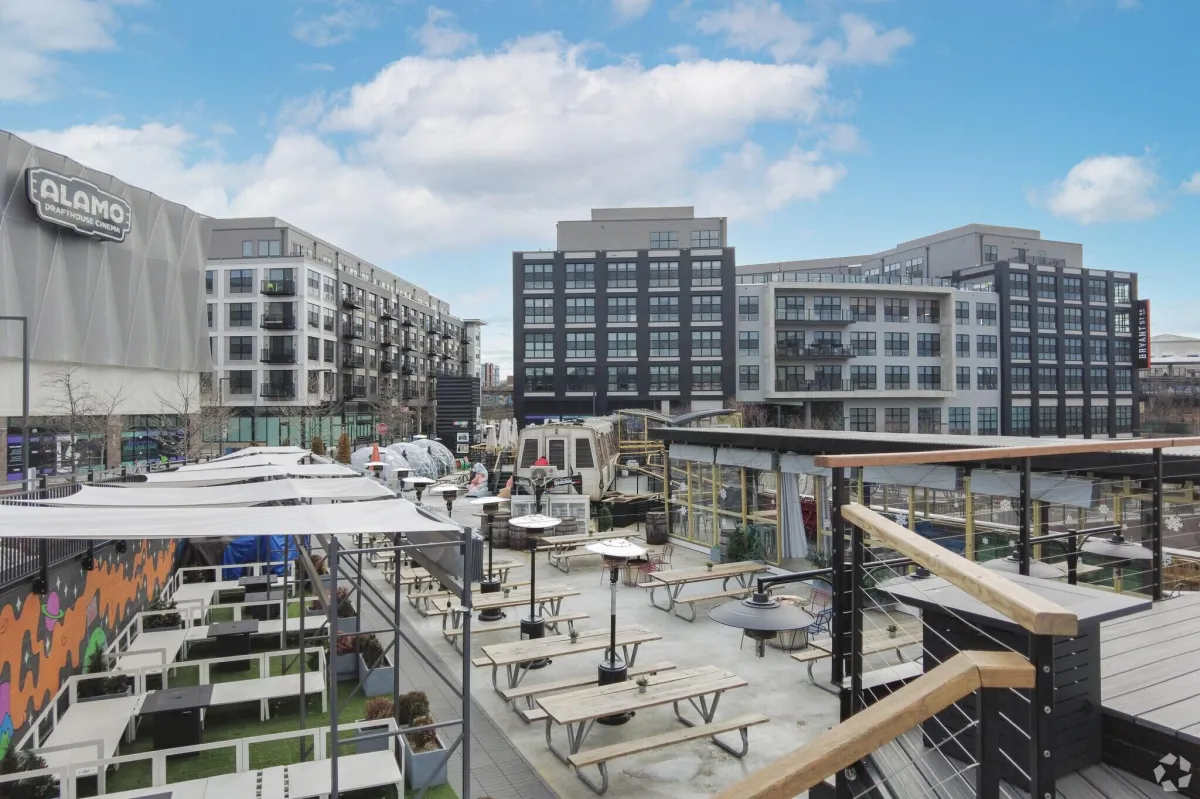
Beyond its traditional architecture, Edgewood has a vibrant artistic scene. Colorful murals adorn walls, and the Arts Walk at Monroe Street Market showcases local artists' studios and commercial businesses, transforming former industrial spaces into a bustling creative hub. This artistic energy infuses the neighborhood with a unique and engaging atmosphere.
Real Estate in Edgewood: Classic Homes and Growing Options
Real estate in Edgewood primarily features well-maintained brick rowhouses, many of which have been thoughtfully updated. There's also a significant presence of condominium units, often in converted historic buildings or sleek new constructions, offering a wider array of choices for residents.
Character-Filled and Accessible Properties: Homes here consistently offer comfortable living spaces, often blending original details like hardwood floors with contemporary kitchens and bathrooms. The classic brick facades and small front yards are signature features. Recent trends (as of May 2025) show median home values around $589,798, with fluctuations in sale prices that indicate a competitive market. Condos and apartments are also available, catering to various lifestyles.
Properties for Urban Dwellers and Professionals: The residences in Edgewood cater to those seeking an authentic D.C. urban experience with a strong community feel and convenient access to universities and cultural amenities.
Amenities and Connectivity: Culture, Community, and Convenience
Edgewood's strategic location offers convenient access to a burgeoning local scene, diverse dining, and excellent transportation, placing residents at the nexus of several vibrant D.C. areas.
A Thriving Local Scene and Nearby Hotspots: Edgewood boasts unique, artistic eateries and establishments. Busboys and Poets, combining a restaurant, bar, and bookstore, serves as a popular gathering place for the neighborhood's many artists, writers, and activists. Other local favorites like metrobar, The Dew Drop Inn, and Kraken Kourts & Skates provide diverse entertainment options. The Arts Walk at Monroe Street Market offers not only studios but also shops and restaurants, contributing to a bustling yet approachable vibe. The neighborhood's proximity to Rhode Island Avenue NE provides access to essential services and additional retail.
Proximity to Green Spaces and Recreation: While an urban neighborhood, Edgewood benefits from local parks and recreation centers like the Edgewood Recreation Center, which often host community activities.
Excellent Schools and Academic Resources: Families in Edgewood are served by the District of Columbia Public Schools (DCPS). The neighborhood also benefits from its close proximity to Trinity Washington University, and just beyond its borders, Catholic University of America and Howard University, providing unparalleled access to academic resources and cultural events.
Exceptional Accessibility: Edgewood is incredibly well-connected by public transportation. The Rhode Island Avenue-Brentwood Metro station (Red Line) is easily accessible, offering quick commutes to downtown D.C. and beyond. Numerous Metrobus routes crisscross the area, enhancing connectivity throughout the city, making commutes manageable and city exploration effortless. Its high walkability and bike-friendly infrastructure also make it easy to get around without a car.
Edgewood, Washington, D.C., offers a truly special opportunity to experience a historic, evolving, and community-rich urban lifestyle. It's a place where enduring charm, growing amenities, and convenient access to both urban centers and a vibrant academic and artistic institution converge, creating an exceptionally desirable and engaging environment to call home.
HOA: No (The majority of classic rowhouses in Edgewood do not have a neighborhood-wide HOA. However, newer condominium developments and some converted properties within the area will have their own HOAs.)
55+ Community: No
