Judiciary Square
Welcome to Judiciary Square, DC: The City's Historic Heartbeat
At the very core of Washington, D.C., where the weight of the law meets the vibrancy of urban life, lies Judiciary Square. This historically significant neighborhood, characterized by its impressive federal and local government buildings, iconic landmarks, and a growing residential presence, offers a uniquely D.C. experience. If you're drawn to a walkable, central urban environment steeped in the nation's history and surrounded by institutional grandeur, Judiciary Square is an exceptionally compelling place to call home.
A Legacy Forged in Law and Order
Judiciary Square's identity is deeply rooted in its purpose. Included in Pierre L'Enfant's original 1791 plan for the nation's capital, it was always intended to be a hub for the nascent republic's legal institutions. Development around the Square began slowly in the early 19th century, but truly gained momentum with the construction of the District of Columbia City Hall (now the D.C. Court of Appeals) starting in 1820. This landmark building, along with subsequent courthouses and governmental structures, solidified the area's role and ultimately gave it its name.
Over the centuries, Judiciary Square has witnessed pivotal moments in American history, from its use as a military hospital during the Civil War to its continuous evolution as a center of justice. Today, it remains a powerful symbol of the rule of law, with a blend of historic architecture and modern amenities creating a unique urban tapestry.
Grand Architecture and Public Spaces
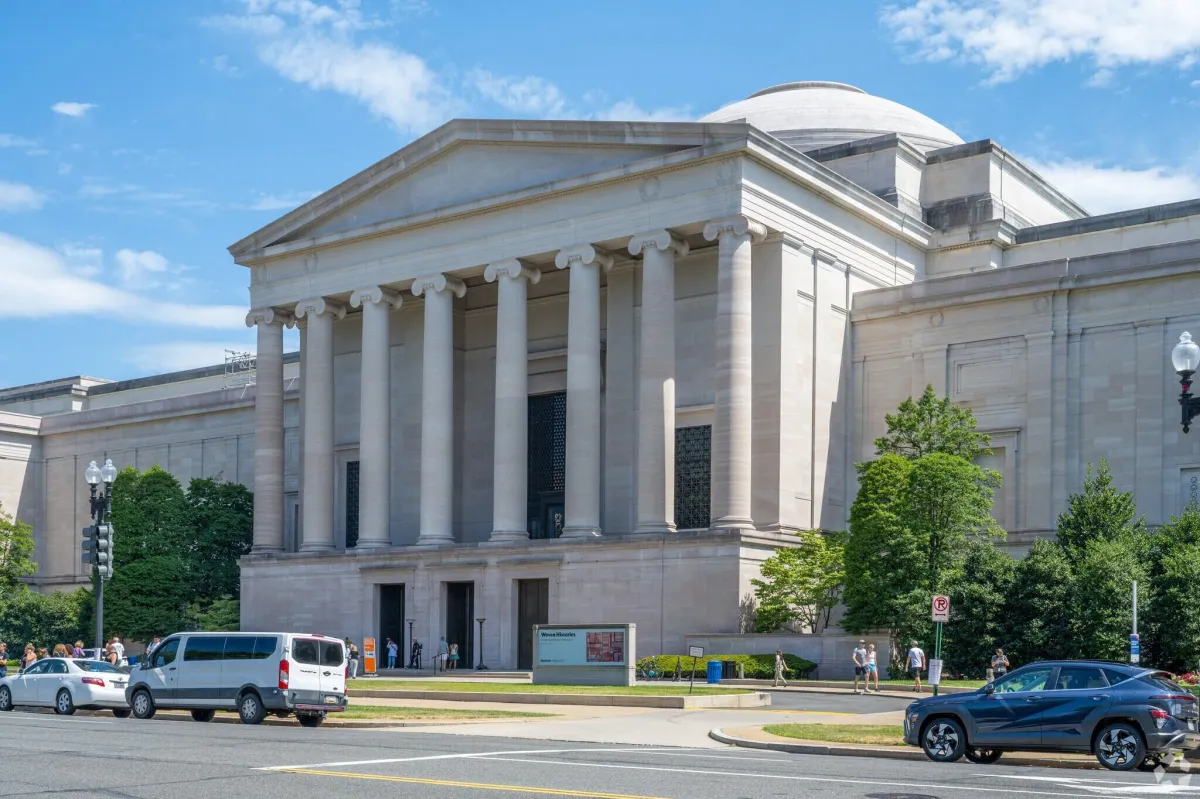
The visual landscape of Judiciary Square is defined by its monumental architecture. Classical-style government buildings, including the Old City Hall and various courthouses, stand as testaments to the area's historical significance. The stunning National Building Museum (formerly the Pension Building), with its colossal columns and grand interior hall, is another architectural highlight, drawing visitors and residents alike.
While primarily a government and commercial district, Judiciary Square does offer pockets of greenery. The central park space provides a serene break from the surrounding stone and concrete, often featuring landscaped areas and public art. Furthermore, its immediate proximity to the National Mall places some of the nation's most iconic green spaces and museums just a short stroll away, providing ample opportunities for recreation and reflection.
Real Estate in Judiciary Square: Exclusive Urban Residences
Real estate in Judiciary Square primarily caters to those seeking a sophisticated urban lifestyle, with a focus on luxury condominiums and high-end apartment buildings. The residential options here are often found within modern high-rises, offering contemporary comforts in a historically rich setting.
Modern Condominiums and Apartments: The majority of residential properties are in sleek buildings like 400 Massachusetts Ave Condos and The Cosmopolitan Condos. These typically feature open layouts, high ceilings, floor-to-ceiling windows, and upscale finishes. Residents often enjoy amenities such as concierge services, fitness centers, and communal lounges or rooftop decks.
Targeted Demographic: The housing here largely attracts legal professionals, government workers, and students attending nearby Georgetown Law, drawn by the convenience of walking to work and being in the heart of the city.
Market Trends: As of mid-2025, the Judiciary Square real estate market is competitive. Median condo prices can range, with units often starting in the low to mid-$400,000s for one-bedrooms and ranging up to the mid-$800,000s for larger units. While predominantly a renter-occupied neighborhood, indicating a transient and dynamic population, the available for-sale options are highly desirable due to the prime location.
Amenities and Connectivity: A Downtown Powerhouse
Judiciary Square's strategic location ensures that residents are at the epicenter of D.C.'s professional, cultural, and entertainment scene, with unparalleled access to everything the city has to offer.
Major Institutions and Attractions: The neighborhood is a hub for legal and governmental activity, housing numerous courthouses and federal agencies. Cultural attractions include the National Building Museum and the National Law Enforcement Officers Memorial. Its proximity to Penn Quarter means world-class museums (like the National Portrait Gallery and the Smithsonian American Art Museum) and the Capital One Arena are just steps away.
Dining and Nightlife: While the area is busy during business hours with many lunch spots and fast-casual options, the vibrant dining and nightlife of neighboring Penn Quarter and Chinatown are easily accessible on foot, offering a vast array of restaurants, bars, and entertainment venues.
Professional Access: For those working in law or government, Judiciary Square offers an unmatched commute, with numerous offices and institutions, including Georgetown Law, within immediate walking distance.
Exceptional Accessibility: Judiciary Square is a public transit dream. The Judiciary Square Metro station (Red Line) is central to the neighborhood, providing quick and direct access across the city. Additionally, the Gallery Place-Chinatown station (Red, Green, Yellow Lines) and Union Station (Red Line, MARC, Amtrak) are within easy walking distance, offering extensive connectivity. Numerous Metrobus routes further crisscross the area, making it incredibly easy to navigate D.C. without a car. Its very high "Walk Score" and "Rider's Paradise" score underscore its exceptional walkability and transit options.
Judiciary Square, Washington, D.C., offers a truly unparalleled urban living experience for those who thrive on being in the heart of the action. It's a place where historical grandeur meets modern convenience, and professional opportunities intertwine with cultural immersion, creating an exceptionally desirable and engaging environment to call home.
HOA: Yes (The vast majority of residential properties in Judiciary Square are condominiums within high-rise buildings, and these all have homeowners' associations responsible for building maintenance, shared amenities, and often include utilities. There are very few traditional single-family homes or rowhouses in this intensely urban area.)
55+ Community: No
