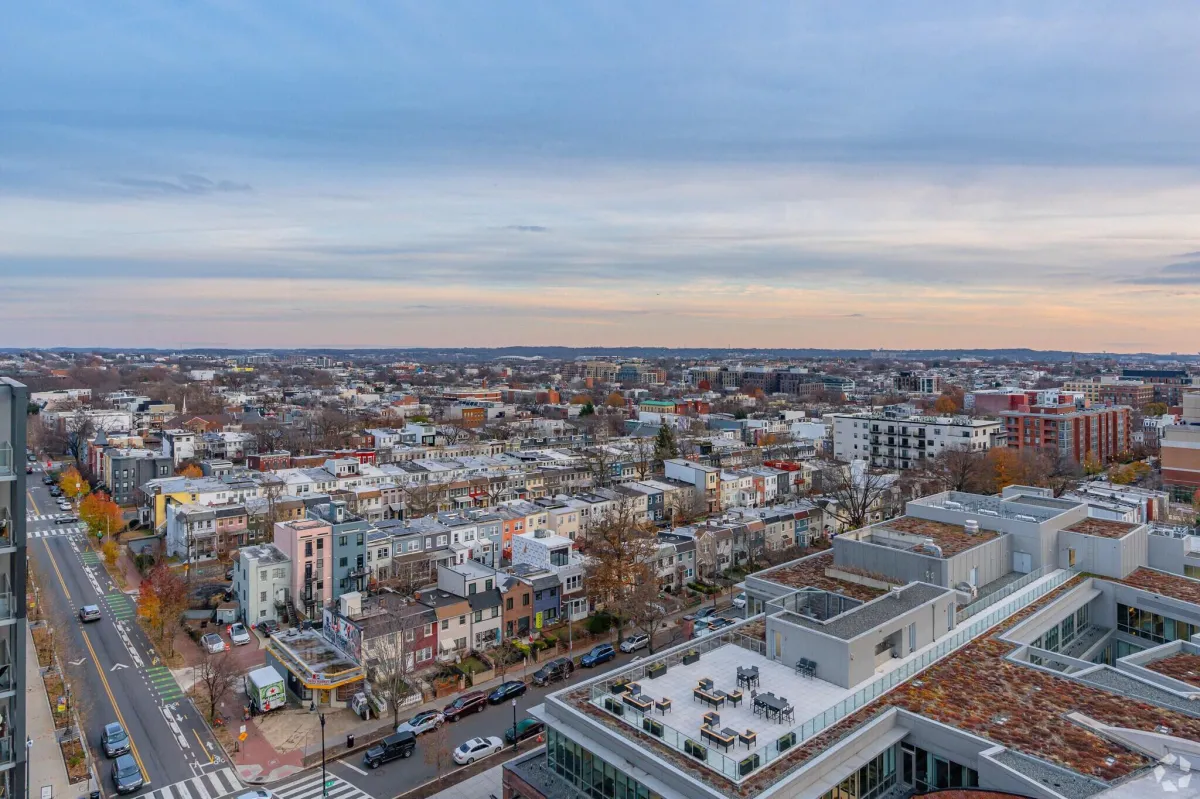
NoMa
Welcome to NoMa, DC: Where Industrial Grit Meets Urban Glamour
Emerging as one of Washington, D.C.'s most dynamic and rapidly transforming neighborhoods, NoMa (North of Massachusetts Avenue) is a testament to modern urban revitalization. Once an industrial and warehouse district, this bustling area has reinvented itself into a vibrant hub of innovation, culture, and residential living. With its sleek new developments, proximity to major transportation, and a burgeoning array of amenities, NoMa offers a truly contemporary urban experience. If you're seeking a high-energy, well-connected environment with a pulse on the city's future, NoMa is an exceptionally compelling place to call home.
From Railroad Hub to Modern Metropolis
NoMa's history is deeply rooted in its strategic location north of Massachusetts Avenue, primarily shaped by the presence of the Baltimore and Ohio Railroad lines and the iconic Union Station, which opened in 1907. For decades, the area served as a critical industrial and warehouse district, a gritty but essential part of the city's commercial backbone.
The turning point for NoMa arrived in the early 2000s. The opening of the NoMa-Gallaudet U Metro station in 2004 kickstarted a massive wave of redevelopment. What followed was a deliberate and visionary transformation, spearheaded by the NoMa Business Improvement District (BID), established in 2007. Old row houses were demolished, a railroad trestle was removed, and streets were reconnected to L'Enfant's original plan. Today, NoMa is a shining example of successful urban infill and mixed-use development, balancing its industrial past with a cutting-edge future.
Contemporary Architecture and Public Art
The visual landscape of NoMa is a striking blend of its industrial heritage and sleek, contemporary design. You'll find beautifully rehabilitated historic brick buildings and warehouses standing proudly alongside modern glass and steel high-rise apartments and office towers. This architectural juxtaposition creates a visually engaging and unique urban aesthetic.
NoMa is also becoming known for its vibrant public art scene. Colorful murals, striking installations, and creative activations frequently pop up throughout the neighborhood, turning everyday spaces into engaging visual experiences. While dense, NoMa is committed to incorporating green spaces. Small urban parks like Storey Park (which hosts the popular NoMa Summer Screen film series) and the New York Avenue Playground offer places for relaxation and recreation. The Metropolitan Branch Trail, an eight-mile paved path, runs through NoMa, providing excellent opportunities for walking, jogging, and biking, connecting residents to other parts of D.C. and even into Maryland.
Real Estate in NoMa: The Epitome of Urban Loft Living
Real estate in NoMa primarily consists of modern, amenity-rich condominiums and apartment buildings, catering to a sophisticated urban demographic.
Sleek and Amenity-Focused: The majority of residential offerings are in newly constructed high-rise buildings designed for contemporary city living. Units often feature open-concept layouts, floor-to-ceiling windows, high-end finishes (such as quartz countertops and stainless steel appliances), and in-unit washers and dryers. Many buildings boast an impressive array of amenities, including rooftop pools, state-of-the-art fitness centers, co-working spaces, dog parks and pet spas, and 24/7 concierge services.
Diverse Sizes: Properties range from efficient studios to spacious three-bedroom units, appealing to young professionals, couples, and urbanites drawn to a dynamic lifestyle.
Market Trends: As of mid-2025, the NoMa real estate market is active and competitive. Median condo prices can vary, but generally fall in the mid-$400,000s, with larger and more luxurious units commanding higher prices. While a significant portion of the population are renters, there's a growing demand for for-sale condos, reflecting the neighborhood's increasing desirability.
Amenities and Connectivity: A Powerhouse of Convenience
Living in NoMa means being at the forefront of D.C.'s urban renaissance, with unparalleled access to major transportation, diverse dining, and a growing array of cultural and recreational opportunities.
Culinary Hotspot: NoMa and its immediate vicinity boast a fantastic and ever-growing culinary scene. Union Market, a true gourmand's delight, is a major draw, featuring dozens of indoor and outdoor food vendors, Michelin-starred restaurants, artisan shops, and a lively atmosphere. Beyond Union Market, residents can explore trendy cafes, diverse international eateries, and popular breweries and beer gardens like Wunder Garden.
Cultural and Entertainment Venues: NoMa offers unique cultural attractions like the National Postal Museum and the NPR headquarters. Its vibrant arts scene is evident in galleries and public art installations. For larger entertainment, the Capital One Arena in neighboring Chinatown is just a short Metro ride away.
Professional Hub: NoMa is home to a growing number of businesses, associations, and government offices, making it a highly convenient location for professionals seeking a walkable commute.
Unrivaled Accessibility: NoMa is a public transportation dream. It boasts two Red Line Metro stations (NoMa-Gallaudet U and Union Station), providing seamless access across the city. Union Station also serves as a major transportation hub for Amtrak, MARC, and VRE commuter trains, offering regional and national connectivity. Numerous Metrobus lines, the D.C. Streetcar (along H Street NE), and extensive Capital Bikeshare stations further enhance its already exceptional walkability and bikeability.
NoMa, Washington, D.C., offers a truly unparalleled urban living experience. It's a place where industrial heritage blends with cutting-edge design, and a vibrant community thrives amidst exceptional amenities and unbeatable connectivity, creating an exceptionally desirable and engaging environment to call home.
HOA: Yes (The vast majority of residential properties in NoMa are condominiums and apartments within high-rise buildings, and these all have homeowners' associations responsible for building maintenance, shared amenities, and often include utilities. The NoMa Business Improvement District (BID) also plays a significant role in enhancing the neighborhood's overall quality of life, funded through a special assessment from property owners.)
55+ Community: No (While NoMa's amenities and accessibility appeal to a wide range of ages, including some retirees, it is not specifically a 55+ age-restricted community. However, some senior apartment options are available in the broader H Street/NoMa area.)
