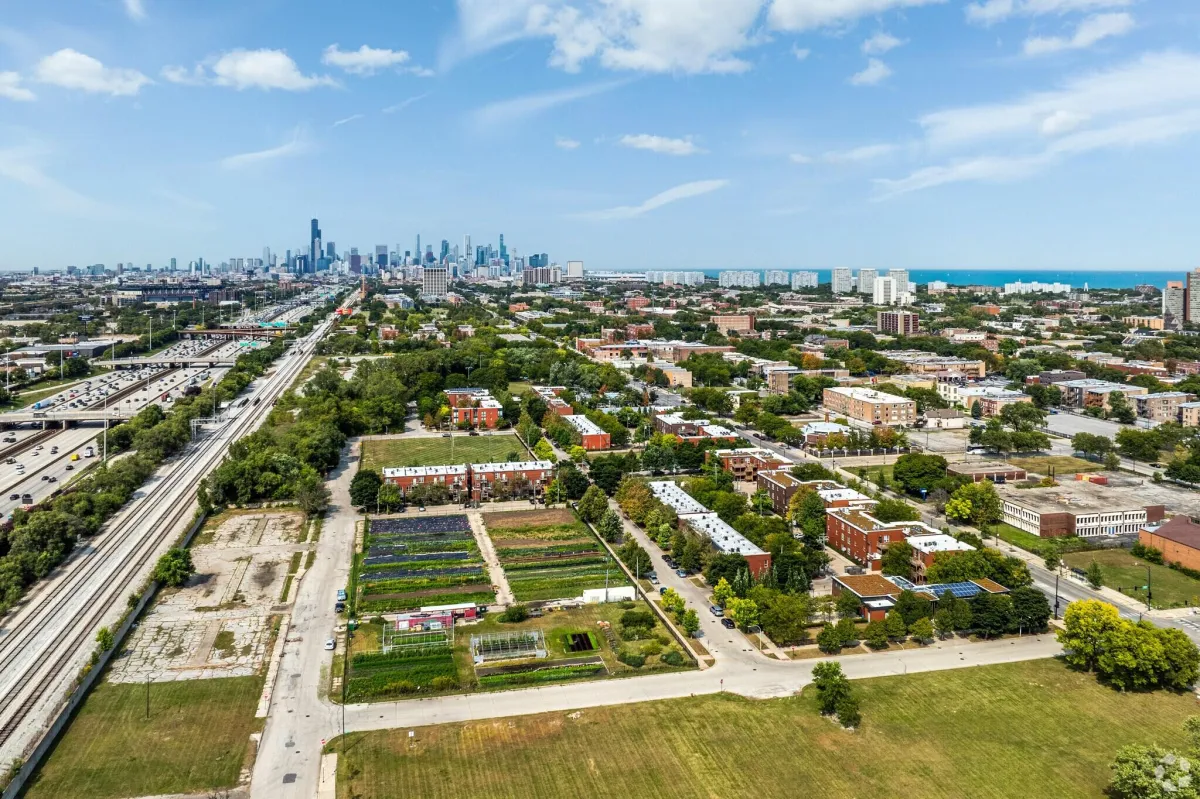
Stateway Gardens
Stateway Gardens: A South Side Chicago Community with a Storied Past
Welcome to Stateway Gardens, a significant residential development located on Chicago's South Side. This area holds a unique place in the city's history, reflecting periods of urban renewal and community life. If you're interested in understanding a key part of Chicago's social landscape, Stateway Gardens offers a compelling look into the evolution of urban housing.
A History of Transformation:
Public Housing Initiative: Stateway Gardens was conceived as a large-scale public housing project by the Chicago Housing Authority (CHA). Construction began in the late 1940s and continued into the 1950s, aiming to provide modern, affordable housing for low-income families. The development consisted of numerous high-rise buildings, offering a dense concentration of residences.
Community Life and Challenges: For many years, Stateway Gardens fostered a strong sense of community among its residents. Despite facing socioeconomic challenges common in public housing developments, residents built networks and a shared identity. However, like many similar projects across the United States, Stateway Gardens also experienced issues related to poverty, crime, and aging infrastructure over time.
Transformation and Redevelopment: In the late 20th and early 21st centuries, the CHA embarked on a massive transformation plan for its public housing, known as the Plan for Transformation. As part of this initiative, the original high-rise buildings of Stateway Gardens were gradually demolished. The area is currently undergoing significant redevelopment, with the creation of mixed-income housing and new community amenities. This ongoing process aims to create a more sustainable and diverse neighborhood.
Architectural Legacy: The original Stateway Gardens was characterized by its modernist high-rise architecture, typical of post-World War II public housing design. The ongoing redevelopment features a variety of architectural styles, reflecting contemporary urban planning principles focused on de-densification and integration.
Real Estate in the Vicinity: Opportunity and Change
Given the ongoing redevelopment, the real estate landscape around the former Stateway Gardens site is dynamic.
New Housing Options: The redevelopment is introducing a range of new housing options, including market-rate and affordable units, in various building styles such as low-rise apartments, townhouses, and single-family homes.
Investment Potential: As the area continues to transform, there may be opportunities for investment in residential and commercial properties. Potential buyers and investors should research current market conditions and future development plans.
Surrounding Neighborhoods: The areas surrounding the former Stateway Gardens offer a mix of housing types and price points. Neighborhoods like Bronzeville to the east have a rich history and a variety of residential options.
Amenities and Connectivity:
Access to City Resources: Residents of the redeveloping Stateway Gardens area benefit from its location within Chicago, providing access to the city's extensive amenities, including cultural institutions, parks, and employment opportunities.
Transportation: The area is served by public transportation options, including bus routes and proximity to CTA train lines, offering connectivity to downtown Chicago and other parts of the city. Access to major roadways also facilitates car travel.
Parks and Green Spaces: Redevelopment plans often incorporate green spaces and parks, aiming to enhance the quality of life for residents. Existing nearby parks may also serve the community.
Educational Institutions: The area is served by Chicago Public Schools, with a range of educational options available to residents.
The story of Stateway Gardens is a significant chapter in Chicago's urban history, reflecting the complexities of public housing and urban renewal. The ongoing transformation presents new possibilities for the area, building on its past while creating a diverse and sustainable community for the future.
HOA: Yes (for specific developments)
55+ Community: No
